
Hey there, health enthusiasts! If you’ve been curious about fasting and its impact on your mind, you’re in for a treat. Fasting isn’t just a trendy diet hack—it’s a powerful tool that could transform your brain health. In this ultimate fasting guide, we’ll dive deep into how fasting can sharpen your focus, protect your brain from aging, and even enhance your mood. I’ve sifted through the latest research and combined it with practical tips to help you understand why fasting might be the brain boost you’ve been searching for. Whether you’re a seasoned faster or just starting out, let’s explore how this ancient practice can work wonders for your mental clarity and overall wellness.
What Is Fasting and How Does It Work?
Fasting, at its core, is the voluntary abstention from food for a specific period. It’s been practiced for centuries across cultures for spiritual, religious, and health reasons. Today, it’s gaining traction as a science-backed approach to wellness, with methods like intermittent fasting (IF), time-restricted eating, and extended fasts becoming household terms. But how does it relate to brain health? When you fast, your body shifts gears—moving from burning glucose (sugar from food) to ketones (energy from fat stores). This metabolic switch doesn’t just affect your waistline; it has profound effects on your brain, promoting repair and resilience (Mattson et al., 2018). Think of fasting as a reset button for your system, giving your brain a chance to clean house and rebuild stronger.
The Science Behind Fasting and Brain Health
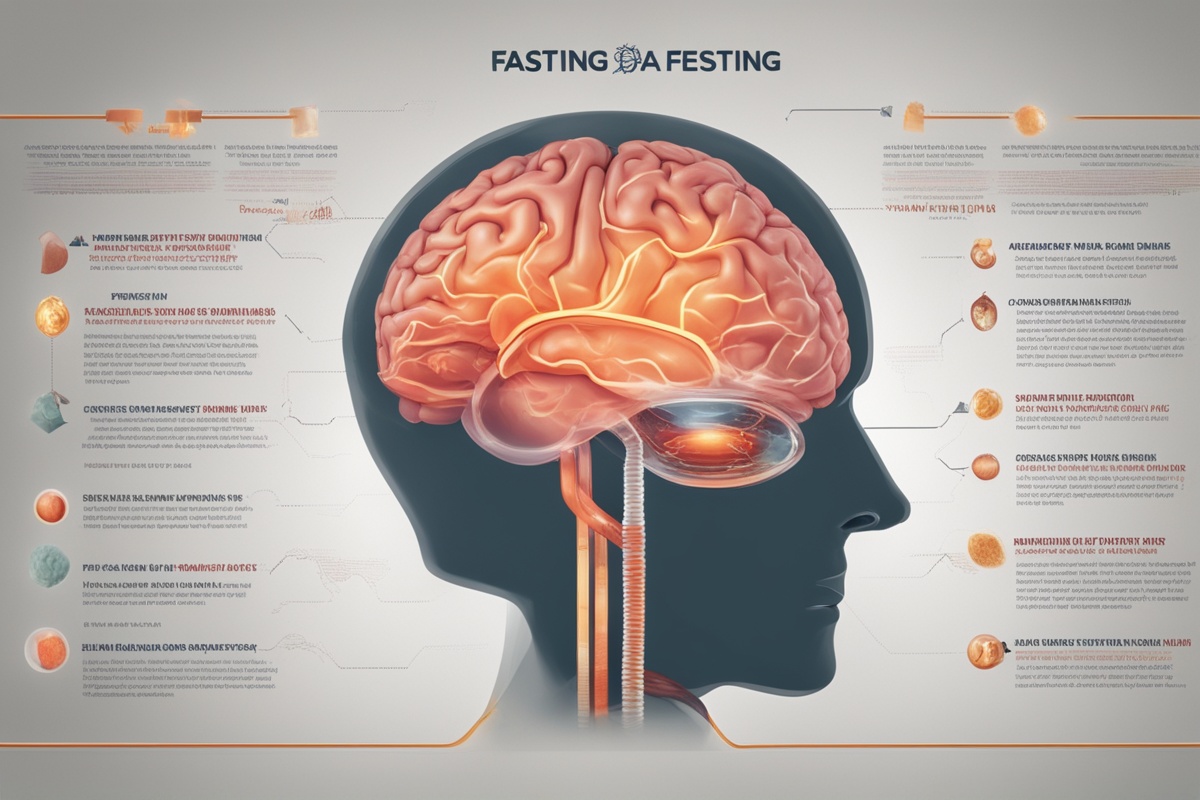
Let’s get nerdy for a moment. fasting triggers a cascade of biological processes that directly benefit your brain. One key player is autophagy, a cellular cleanup process where damaged cells and proteins are recycled. Studies show that fasting enhances autophagy in the brain, potentially reducing the risk of neurodegenerative diseases like Alzheimer’s (Rubinsztein et al., 2015). Then there’s the production of brain-derived neurotrophic factor (BDNF), a protein that supports neuron growth and survival. Research indicates fasting can increase BDNF levels, which may improve learning, memory, and mood regulation (Mattson et al., 2018). Additionally, fasting reduces inflammation and oxidative stress—two culprits behind brain aging and cognitive decline (Longo & Mattson, 2014). So, when you follow a solid fasting guide, you’re not just skipping meals; you’re investing in long-term brain power.
Key Benefits of Fasting for Mental Clarity and Focus
Ever notice how your mind feels sharper after skipping breakfast or during a fasting window? There’s a reason for that. Fasting can enhance mental clarity by stabilizing blood sugar levels and reducing brain fog caused by constant snacking. When your body runs on ketones during a fast, many people report heightened focus and productivity—often called the “fasting high.” Research backs this up, showing that ketone bodies provide a more efficient energy source for the brain compared to glucose (Cahill, 2006). Beyond focus, fasting may also improve mood by influencing neurotransmitters like serotonin and dopamine, which play a role in happiness and motivation (Martin et al., 2016). If you’re looking for a natural way to boost your mental game, this fasting guide might just be your roadmap.
- Enhanced Focus: Ketones fuel your brain more efficiently, cutting through mental haze.
- Mood Improvement: Fasting may balance neurotransmitters, lifting your spirits.
- Reduced Brain Fog: Stable energy levels prevent the crashes tied to frequent eating.
- Stress Resilience: Lower inflammation can help your brain handle daily stressors better.
Can Fasting Protect Against Brain Aging?
As we age, our brains naturally face wear and tear, but fasting might slow that process. By reducing oxidative stress and inflammation—two major drivers of brain aging—fasting acts like a shield for your neurons. Studies in animals and early human trials suggest that intermittent fasting could lower the risk of conditions like Parkinson’s and Alzheimer’s by protecting brain cells from damage (Longo & Mattson, 2014). Fasting also promotes neuroplasticity, the brain’s ability to adapt and form new connections, which is crucial for maintaining cognitive function as we get older (Mattson et al., 2018). While more research is needed, the evidence so far is promising. Following a fasting guide tailored to your lifestyle could be a proactive step toward a sharper, healthier brain in your later years.
Practical Tips for Fasting to Boost Brain Health
Ready to give fasting a try? I’ve got you covered with some actionable advice to make the most of it for your brain. First, start slow—especially if you’re new to fasting. Jumping into a 24-hour fast right away can be tough and might stress your body more than help it. Instead, ease in with a beginner-friendly approach like the 16:8 method (fast for 16 hours, eat during an 8-hour window). Stay hydrated, as dehydration can mimic hunger and zap your mental energy. Also, prioritize nutrient-dense foods during your eating windows—think healthy fats like avocado and nuts, which support brain function. And don’t forget to listen to your body; fasting isn’t a one-size-fits-all solution. If you feel dizzy or overly fatigued, take a break and consult a healthcare pro. This fasting guide is all about balance and sustainability.
- Start Small: Begin with shorter fasts, like 12 hours overnight, and build up gradually.
- Hydrate Well: Drink water, herbal tea, or black coffee to stay sharp during fasting hours.
- Eat Smart: Focus on brain-boosting foods like fatty fish, berries, and leafy greens when breaking your fast.
- Track Progress: Keep a journal to note changes in focus, mood, or energy levels.
- Rest Up: Pair fasting with good sleep to maximize brain recovery and repair.
Potential Risks and How to Fast Safely
While fasting offers impressive benefits for brain health, it’s not without risks if done improperly. For some, fasting can lead to irritability, fatigue, or even nutrient deficiencies if eating windows aren’t planned well. People with certain conditions—like diabetes, eating disorders, or pregnancy—should avoid fasting unless under medical supervision (Patterson & Sears, 2017). Overdoing it with extended fasts can also stress your system, potentially negating the brain benefits by raising cortisol levels. The key is moderation and mindfulness. Always consult a doctor or dietitian before starting a fasting regimen, especially if you’re on medication or have health concerns. This fasting guide emphasizes safety first—your brain (and body) will thank you for taking a cautious approach.
In wrapping up, fasting isn’t just about cutting calories or losing weight—it’s a potential game-changer for your brain health. From boosting focus and mood to possibly protecting against age-related decline, the benefits are hard to ignore. By following the tips and insights in this fasting guide, you can explore this practice in a way that’s safe and tailored to your needs. Remember, it’s not about perfection but progress. Start small, stay consistent, and pay attention to how your mind and body respond. Have you tried fasting before, or are you inspired to give it a shot? Drop your thoughts or experiences below—I’d love to hear how this journey works for you!
References
- Cahill, G. F. (2006). Fuel metabolism in starvation. Annual Review of Nutrition, 26, 1-22. https://doi.org/10.1146/annurev.nutr.26.061505.111258
- Longo, V. D., & Mattson, M. P. (2014). Fasting: Molecular mechanisms and clinical applications. Cell Metabolism, 19(2), 181-192. https://doi.org/10.1016/j.cmet.2013.12.008
- Ageing Research Reviews, 5(3), 332-353. https://doi.org/10.1016/j.arr.2006.04.002
- Mattson, M. P., Moehl, K., Ghena, N., Schmaedick, M., & Cheng, A. (2018). Intermittent metabolic switching, neuroplasticity and brain health. Nature Reviews Neuroscience, 19(2), 63-80. https://doi.org/10.1038/nrn.2017.156
- Patterson, R. E., & Sears, D. D. (2017). Metabolic effects of intermittent fasting. Annual Review of Nutrition, 37, 371-393. https://doi.org/10.1146/annurev-nutr-071816-064634
- Rubinsztein, D. C., Mariño, G., & Kroemer, G. (2015). Autophagy and aging. Cell, 146(5), 682-695. https://doi.org/10.1016/j.cell.2011.07.030