
Fasting has become a popular health trend, whether for weight loss, spiritual reasons, or overall wellness. However, the process of breaking a fast and returning to regular eating—known as refeeding—requires careful planning to avoid digestive distress or other health issues. This post dives into the concept of optimal meal planning after fasting, providing actionable strategies to ensure a smooth transition while maximizing the benefits of your fast. Let’s explore how to refeed effectively with a focus on nutrition, timing, and mindful eating.
Understanding the Importance of Refeeding After Fasting
Refeeding is the process of reintroducing food after a period of fasting, which could range from intermittent fasting (e.g., 16:8 method) to prolonged fasts lasting several days. During fasting, your digestive system slows down, and your body adapts to using stored energy. Abruptly returning to heavy or complex meals can shock your system, leading to bloating, nausea, or even more serious conditions like refeeding syndrome in extreme cases. Optimal meal planning after fasting ensures that your body readjusts gradually, replenishing nutrients without overwhelming your digestive tract. This approach not only supports physical health but also helps maintain the mental clarity and energy gained during fasting.
Key Principles of Optimal Meal Planning After Fasting
When planning meals post-fast, there are several core principles to follow for a safe and effective transition. First, start small with easily digestible foods such as broths, soups, or smoothies. Second, prioritize hydration—water, herbal teas, and electrolyte-rich drinks should be consumed before and alongside meals. Third, focus on nutrient-dense foods that provide essential vitamins and minerals without overloading your system with heavy fats or sugars. Finally, listen to your body; eat slowly and stop if you feel discomfort. These principles form the foundation of optimal meal planning after fasting, ensuring your body receives what it needs without unnecessary stress.
Best Foods to Include in Your Post-Fast Meal Plan
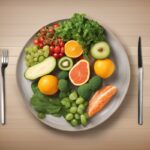
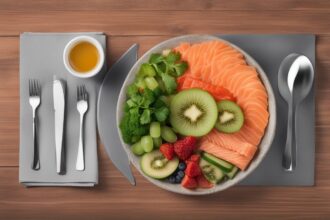
Choosing the right foods is critical for a successful refeed. Begin with liquid or semi-liquid options like bone broth or vegetable soup, which are gentle on the stomach and provide hydration. After a few hours or the next day (depending on the length of your fast), introduce soft, cooked vegetables such as steamed zucchini or carrots. Lean proteins like poached eggs or small portions of fish can follow, as they support muscle repair without being too heavy. For carbohydrates, opt for simple sources like white rice or bananas, which are easier to digest than whole grains initially. Incorporating these foods into your meal plan aligns with the goal of optimal meal planning after fasting by balancing nourishment and ease of digestion. For more on nutrient timing, check out our post on Nutrition Timing Strategies.
Timing Your Meals for a Smooth Transition
The timing of your meals after fasting is just as important as what you eat. For shorter fasts (under 24 hours), you might break your fast with a small meal or snack within an hour of ending. For longer fasts, spread out your intake over several hours or even days. For example, after a 3-day fast, start with a small serving of broth every 2–3 hours on the first day, then gradually increase portion sizes and food variety over the next 48 hours. Avoid large meals or eating late at night, as this can disrupt your body’s natural rhythm. Proper timing is a cornerstone of optimal meal planning after fasting, and you can learn more about syncing meals with your body clock in our article on Circadian Rhythm and Diet.
Common Mistakes to Avoid During Refeeding
Even with the best intentions, it’s easy to make mistakes when refeeding. One common error is eating too much too soon—your stomach shrinks during fasting, so overloading it can cause pain or vomiting. Another mistake is choosing processed or sugary foods, which can spike blood sugar and lead to energy crashes. Additionally, neglecting hydration can exacerbate digestive issues, as water is essential for processing food after a fast. By focusing on optimal meal planning after fasting, you can sidestep these pitfalls and ensure a healthier refeeding experience. For tips on maintaining hydration, see our guide on Hydration Strategies Post-Fast.
Personalizing Your Refeeding Strategy
Every individual’s body responds differently to fasting and refeeding, so personalizing your meal plan is key. Factors like the duration of your fast, your activity level, and any underlying health conditions should influence your approach. For instance, someone with a history of digestive issues might need to reintroduce food more slowly than someone with a robust gut. Keep a journal to track how your body feels after each meal, noting any discomfort or energy changes. Tailoring your plan to your unique needs is the essence of optimal meal planning after fasting. If you’re new to fasting, our beginner’s guide on Fasting for Beginners can provide additional context, and for advanced tips, check out Prolonged Fasting Tips.
Disclaimer: The information provided in this article is for educational purposes only and should not be considered medical advice. Refeeding after fasting, especially prolonged fasts, can carry risks such as refeeding syndrome, particularly for individuals with underlying health conditions or malnutrition. Always consult with a healthcare professional or registered dietitian before starting any fasting or refeeding regimen to ensure it is safe for your specific circumstances.
References
- Mehanna, H. M., Moledina, J., & Travis, J. (2008). Refeeding syndrome: what it is, and how to prevent and treat it. BMJ.
- Harvard Health Publishing. (2018). Intermittent fasting: Surprising update.
- Mayo Clinic. (2020). Fasting diet: Can it improve my heart health?
- WebMD. (2021). Diet Myth or Truth: Fasting Is Effective for Weight Loss.
- British Nutrition Foundation. (2022). Healthy Eating Guidelines.
This content is for informational purposes only and not a substitute for professional advice.