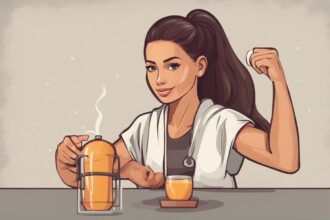


Hey there, health enthusiasts! If you’re into fasting—whether it’s intermittent fasting, extended fasts, or religious fasting—you’ve probably wondered: can I keep up my fitness routine and exercise while fasting? It’s a hot topic, and for good reason. Combining fasting with physical activity can seem daunting, but with the right approach, it’s not only possible but can also supercharge your results. In this post, we’re diving deep into the science, benefits, and practical tips for working out during a fast. Let’s explore how to balance fasting and fitness without burning out or breaking your fast.
What Happens to Your Body During fasting?
When you fast, your body undergoes some fascinating changes. After about 8–12 hours without food, your glucose stores (glycogen) start to deplete, and your body shifts into a state called ketosis, where it burns fat for fuel. This metabolic switch is why fasting is often linked to weight loss and improved energy. However, this energy shift can impact how you feel during a workout. Understanding this process is key to mastering exercise while fasting. Your insulin levels drop, and hormones like growth hormone and norepinephrine spike, which can actually enhance fat-burning during exercise. But, without readily available carbs, you might feel sluggish if you push too hard.
Benefits of Exercising While Fasting
Working out on an empty stomach—often called fasted training—has some unique perks. Research suggests that fasting workouts can boost fat oxidation, meaning your body taps into fat stores more efficiently. A 2016 study published in the British Journal of Nutrition found that individuals who exercised in a fasted state burned more fat compared to those who ate before their workouts. Additionally, fasted exercise may improve insulin sensitivity and support muscle preservation when paired with proper nutrition post-workout. For those practicing intermittent fasting, timing your workout during fasting hours can also help align your energy peaks with your eating windows.
- Increased Fat Burning: Your body prioritizes fat as fuel when glycogen levels are low.
- Enhanced Metabolic Flexibility: Training while fasting teaches your body to switch between fuel sources efficiently.
- Improved Insulin Sensitivity: Fasted exercise can help regulate blood sugar levels over time.
- Convenience: No need to plan meals around workouts if you’re already fasting.
Potential Risks of Fasted Workouts
While there are benefits to exercise during fasting, it’s not without challenges. If you’re new to fasting or pushing high-intensity workouts, you might experience dizziness, fatigue, or even muscle loss if your protein intake isn’t adequate after breaking your fast. Dehydration is another concern, especially if you’re fasting without fluids (like during Ramadan). A 2020 study in the Journal of Sports Medicine noted that fasted training could impair performance in endurance or high-intensity activities due to lower energy availability. So, while fasting and fitness can go hand in hand, it’s crucial to listen to your body and avoid overdoing it.
How to Safely Exercise While Fasting
Ready to give fasted exercise a try? The key is to start slow and be strategic. If you’re a beginner, don’t jump into a grueling HIIT session on day one of your fast. Instead, opt for low-to-moderate intensity activities like walking, yoga, or light strength training. Timing also matters—many people find that exercising toward the end of their fasting window works best, as they can refuel soon after. Hydration is non-negotiable; even if you’re abstaining from food, sip water (if your fast allows) to keep your energy up. Lastly, prioritize protein and nutrient-dense meals when you break your fast to support muscle recovery.
- Start with Low-Intensity Workouts: Think brisk walking or stretching to ease into fasted training.
- Time Your Workouts: Aim for the end of your fasting window so you can eat soon after.
- Stay Hydrated: Drink water if possible to avoid fatigue and cramps during exercise.
- Focus on Recovery: Post-fast meals should include protein and healthy fats for muscle repair.
- Listen to Your Body: Stop if you feel lightheaded or overly fatigued during a session.
Best Types of Exercise for Fasting
Not all workouts are created equal when it comes to exercise while fasting. High-intensity interval training (HIIT) or heavy weightlifting might leave you drained without pre-workout fuel, especially if you’re new to fasting. Instead, focus on activities that don’t overly tax your energy reserves. Light cardio, such as jogging or cycling at a steady pace, can be great for burning fat without overwhelming your system. Resistance training with lighter weights and higher reps can also help maintain muscle mass. Yoga and Pilates are fantastic for improving flexibility and mindfulness while keeping exertion levels manageable during a fast.
Who Should Avoid Fasted Workouts?
While many can benefit from fasting and exercise, it’s not for everyone. If you have underlying health conditions like diabetes, low blood pressure, or a history of eating disorders, fasted training might pose risks. Pregnant or breastfeeding individuals should also steer clear, as their energy and nutrient needs are higher. If you’re on medication that requires food intake or feel consistently weak during fasting, consult a healthcare provider before attempting workouts while fasting. Safety always comes first, and fasting isn’t a one-size-fits-all approach.
In conclusion, combining exercise while fasting can be a powerful tool for fat loss, metabolic health, and even mental clarity—when done right. The science backs up the benefits of fasted training, but it’s all about balance. Start with low-intensity activities, stay hydrated, and prioritize recovery with nutritious meals after your fast. Whether you’re into intermittent fasting or a longer fasting protocol, tuning into your body’s signals is the ultimate guide to success. So, lace up those sneakers, experiment with fasting workouts, and see how this combo works for you. Have you tried exercising during a fast? Drop your experiences or questions below—I’d love to hear from you!